Research projects
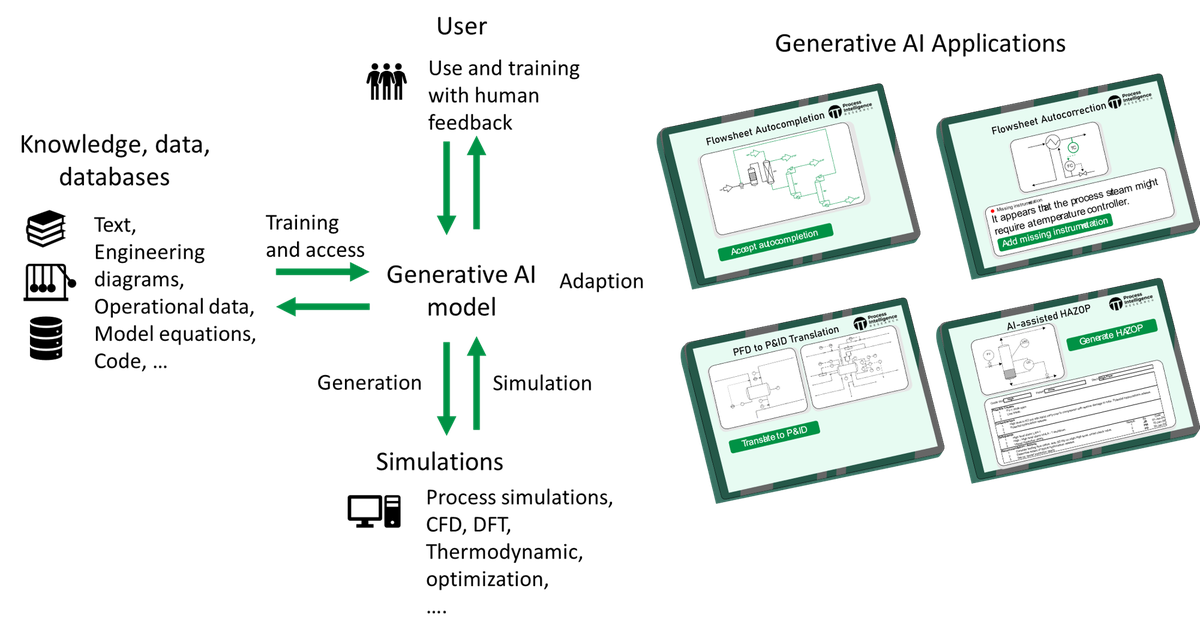
Generative AI in chemical process engineering
Generative AI can support chemical engineers in modeling, design, and operation of processes. We develop generative AI methods for engineering diagrams and process models, from autocompletion and autocorrection of flowsheets to P&ID generation and AI-assisted HAZOP studies.
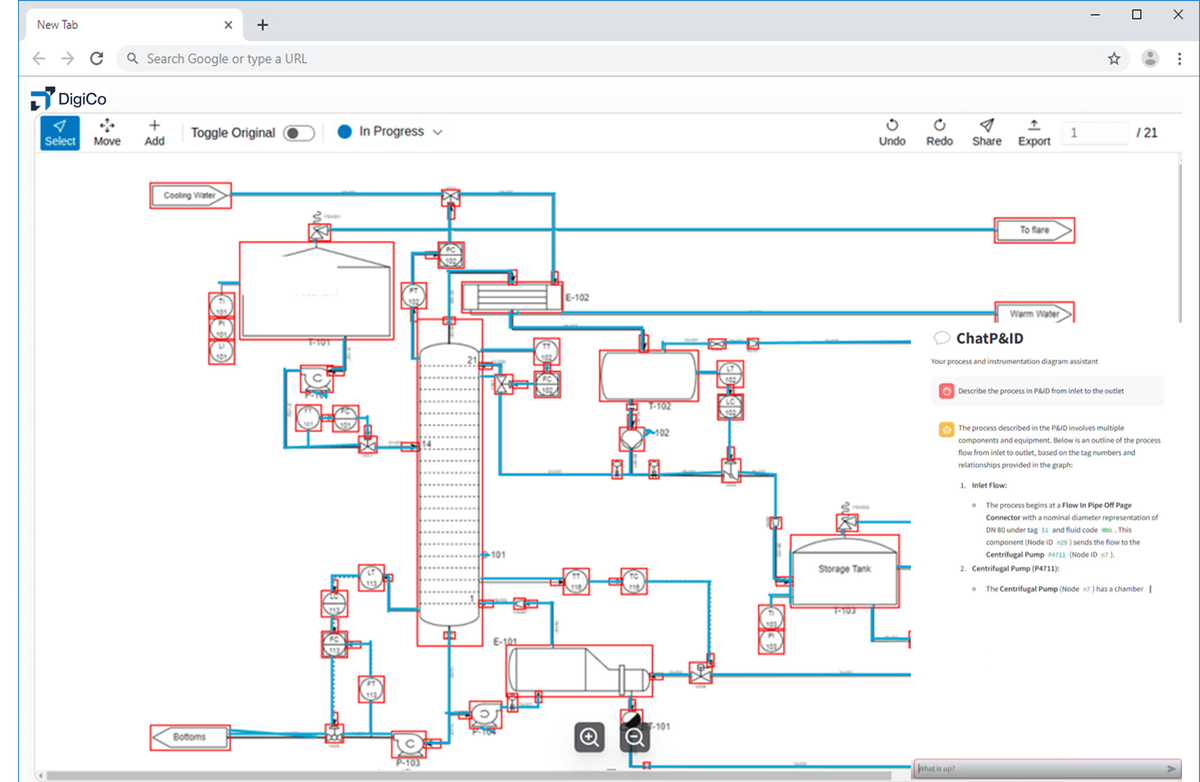
ChatP&ID
ChatP&ID lets engineers ask questions about Piping and Instrumentation Diagrams (P&IDs) in natural language. Smart P&IDs are turned into knowledge graphs that large language model (LLM) agents query through retrieval tools, so that answers are grounded in the actual plant topology.
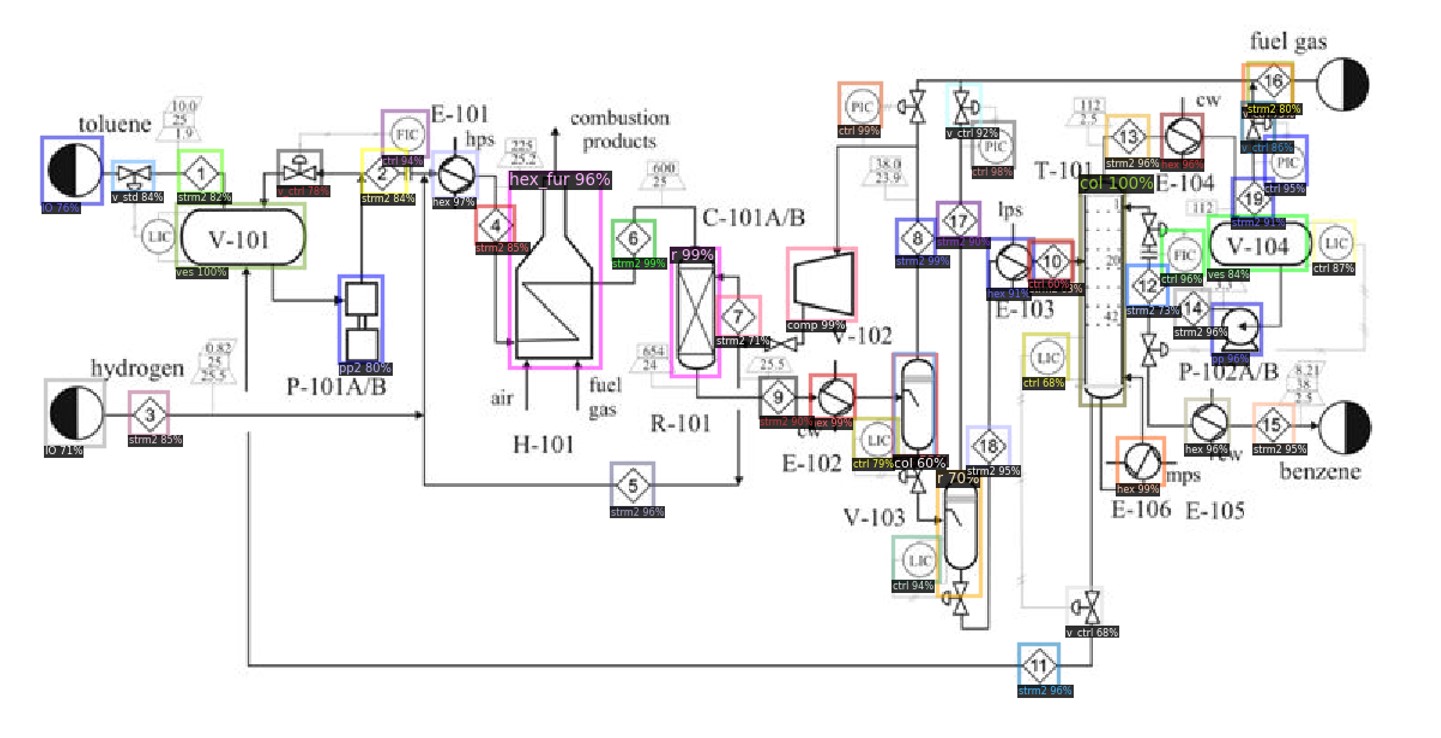
Digitization of engineering diagrams
We develop AI methods that extract the topology and data of flowsheets and P&IDs from images and PDF files and store them in machine-readable graph formats. This research is the basis of the Digitization Companion (DigiCo).
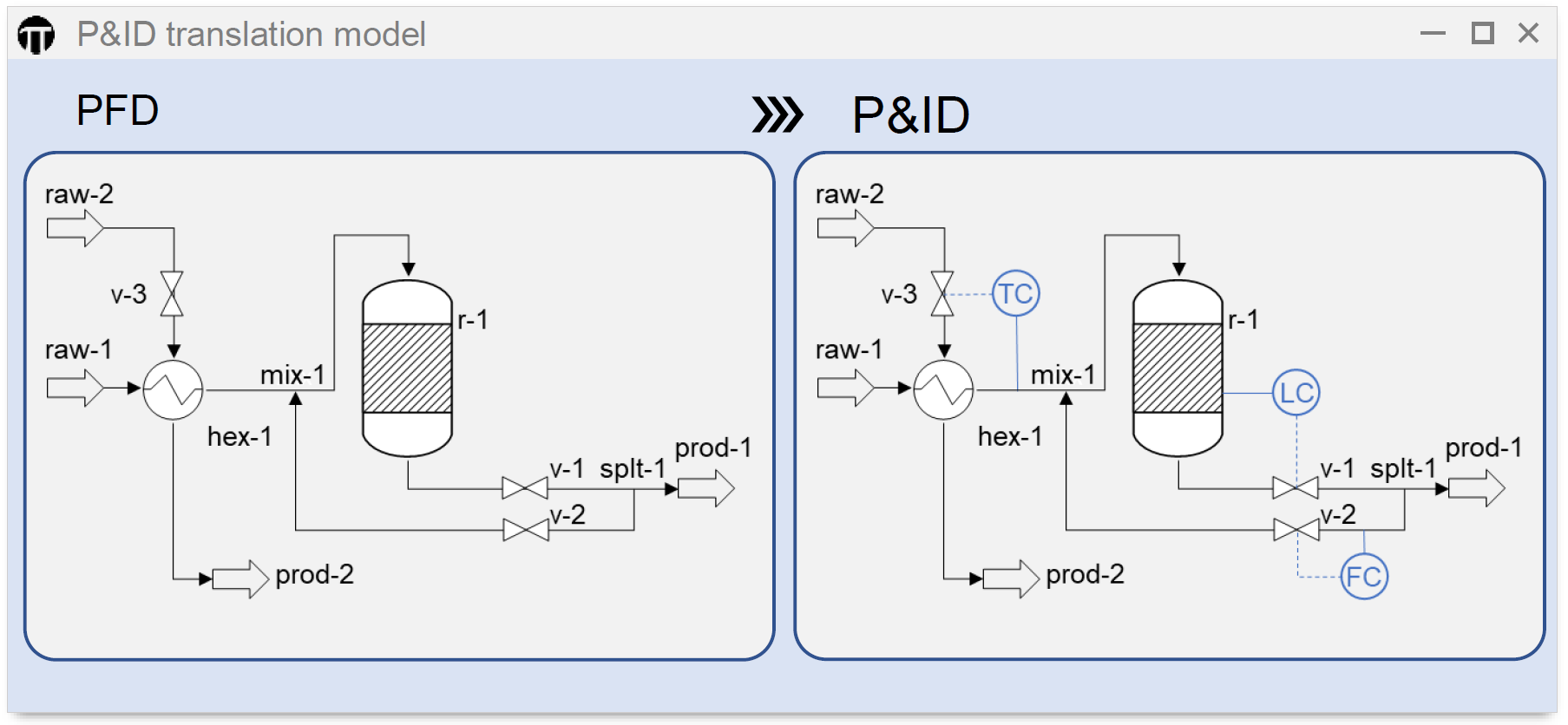
Automatic generation of P&IDs with artificial intelligence
We use generative AI to create Piping and Instrumentation Diagrams (P&IDs) from process flow diagrams (PFDs). The models predict control structures and other P&ID details in the same way that language models translate text.
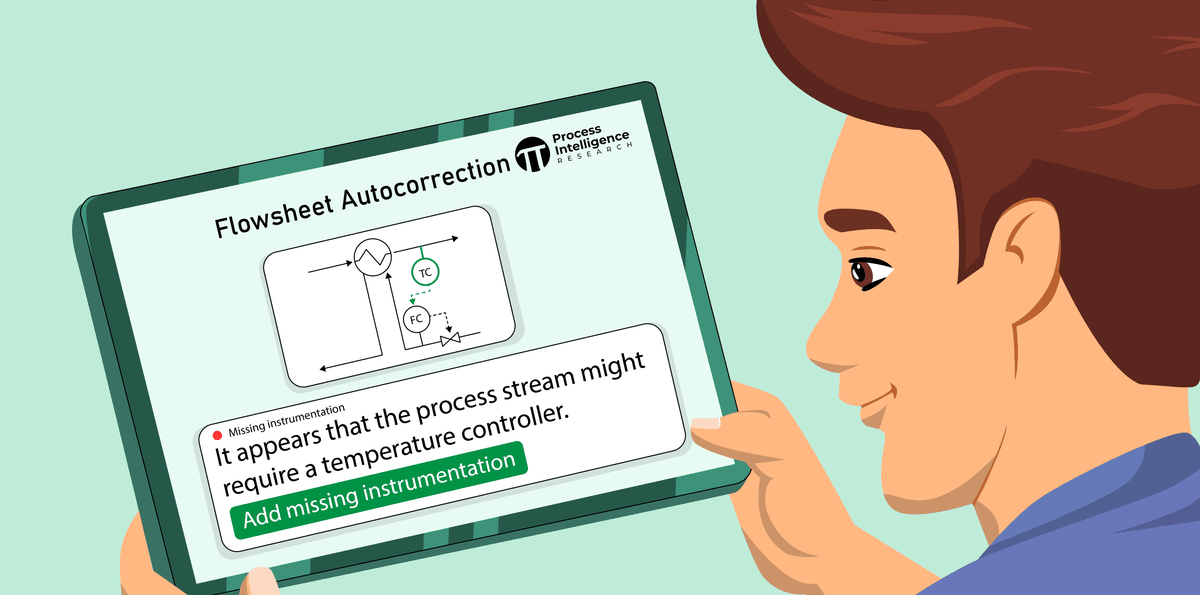
Autocorrection of engineering diagrams
Automatic error correction is standard for text documents. We develop generative AI methods that detect errors in engineering diagrams such as P&IDs and process flow diagrams (PFDs) and suggest corrections.
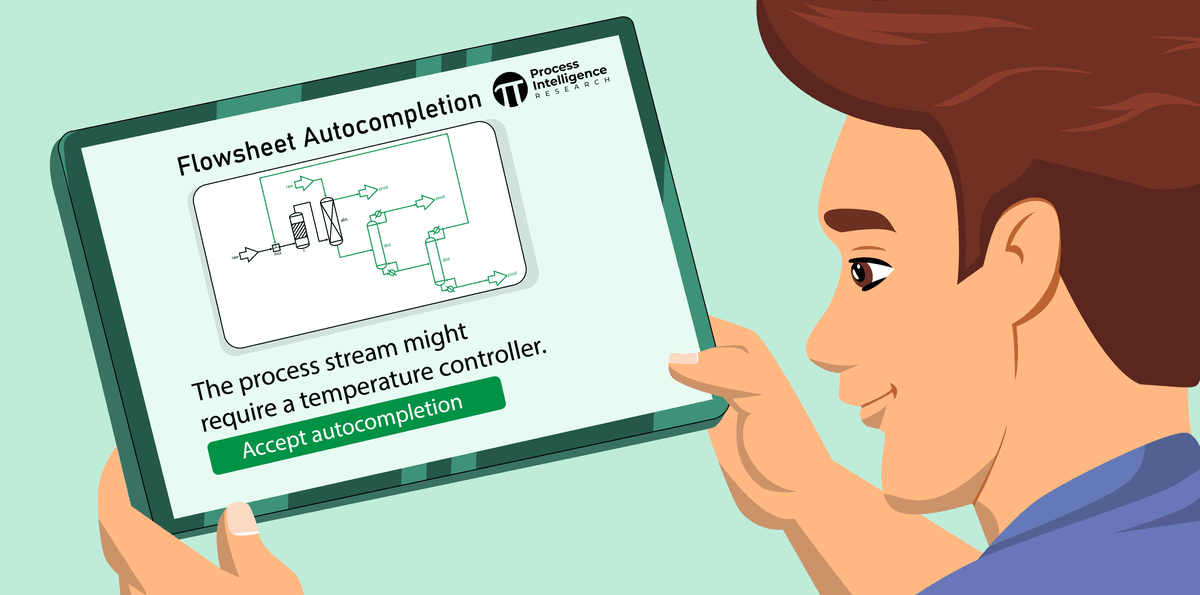
Autocompletion of engineering diagrams
Inspired by text autocompletion, we develop generative AI models that suggest how to complete a flowsheet while an engineer is drawing it.
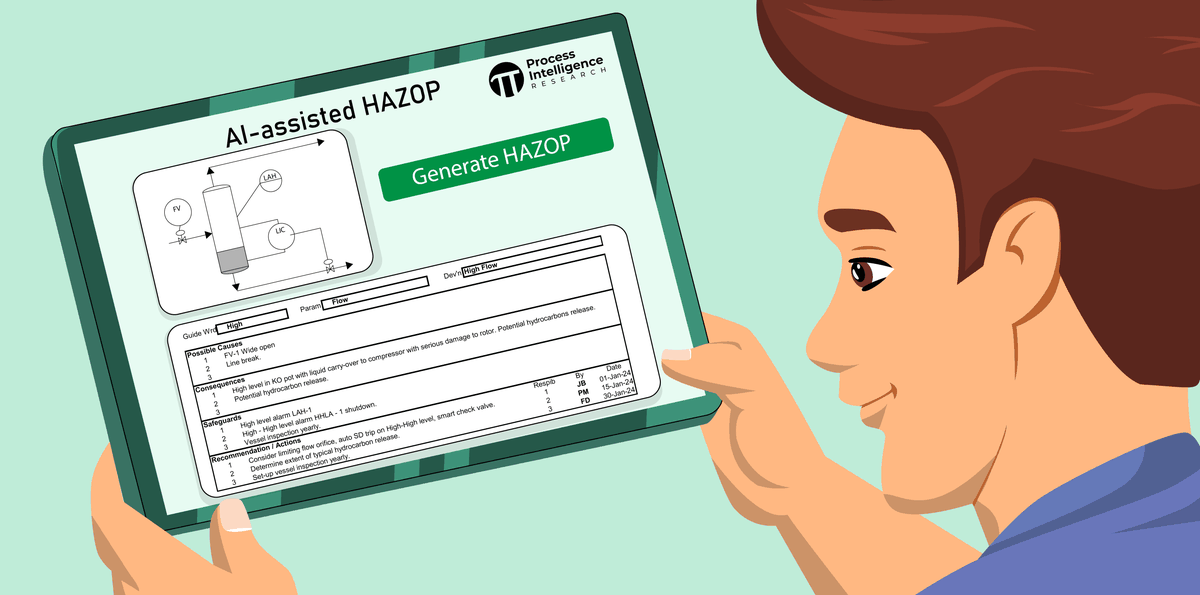
AI-assisted HAZOP
We develop AI methods that support Hazard and Operability (HAZOP) studies. Machine-readable P&IDs and large language models help HAZOP teams prepare studies faster and check them more systematically, while the engineers stay responsible for the results.
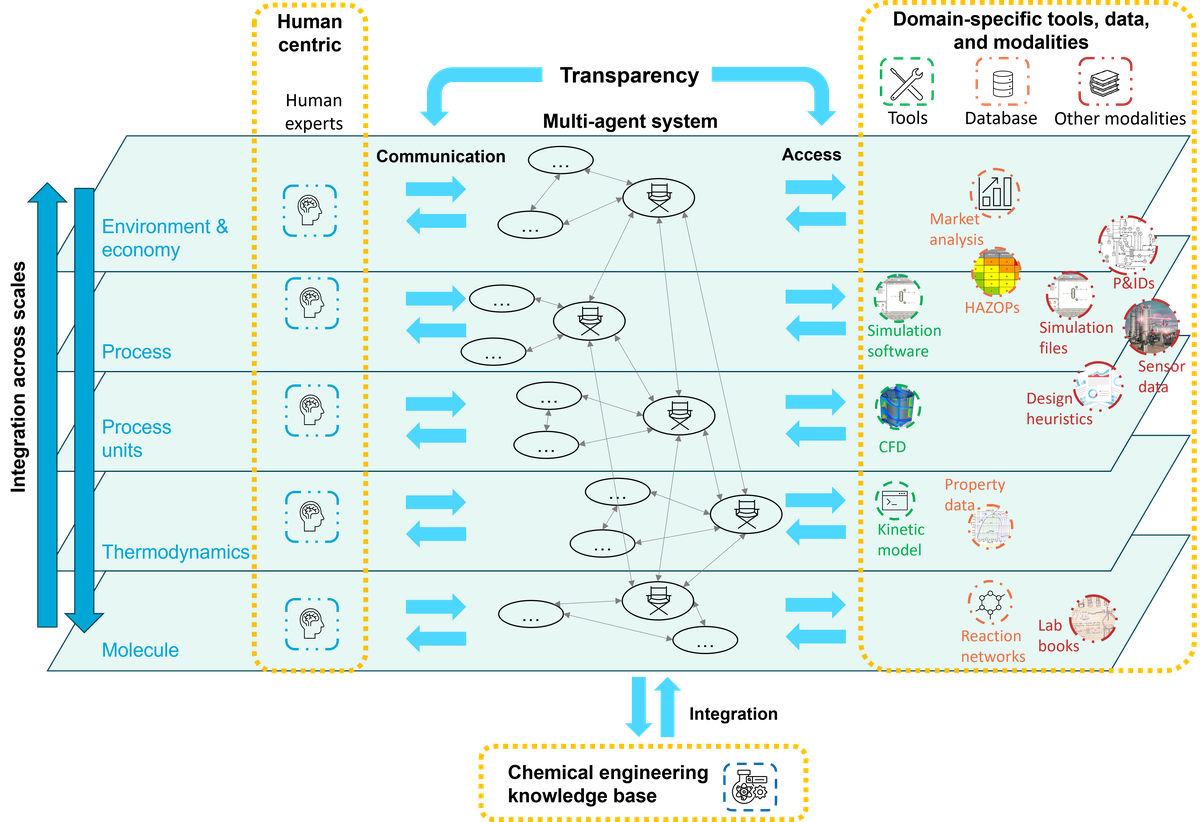
Multi-agent systems for chemical engineering
We develop multi-agent systems based on large language models (LLMs) that split chemical engineering workflows into teams of collaborating agents, each with specialized knowledge and tools, and with the engineer in charge.
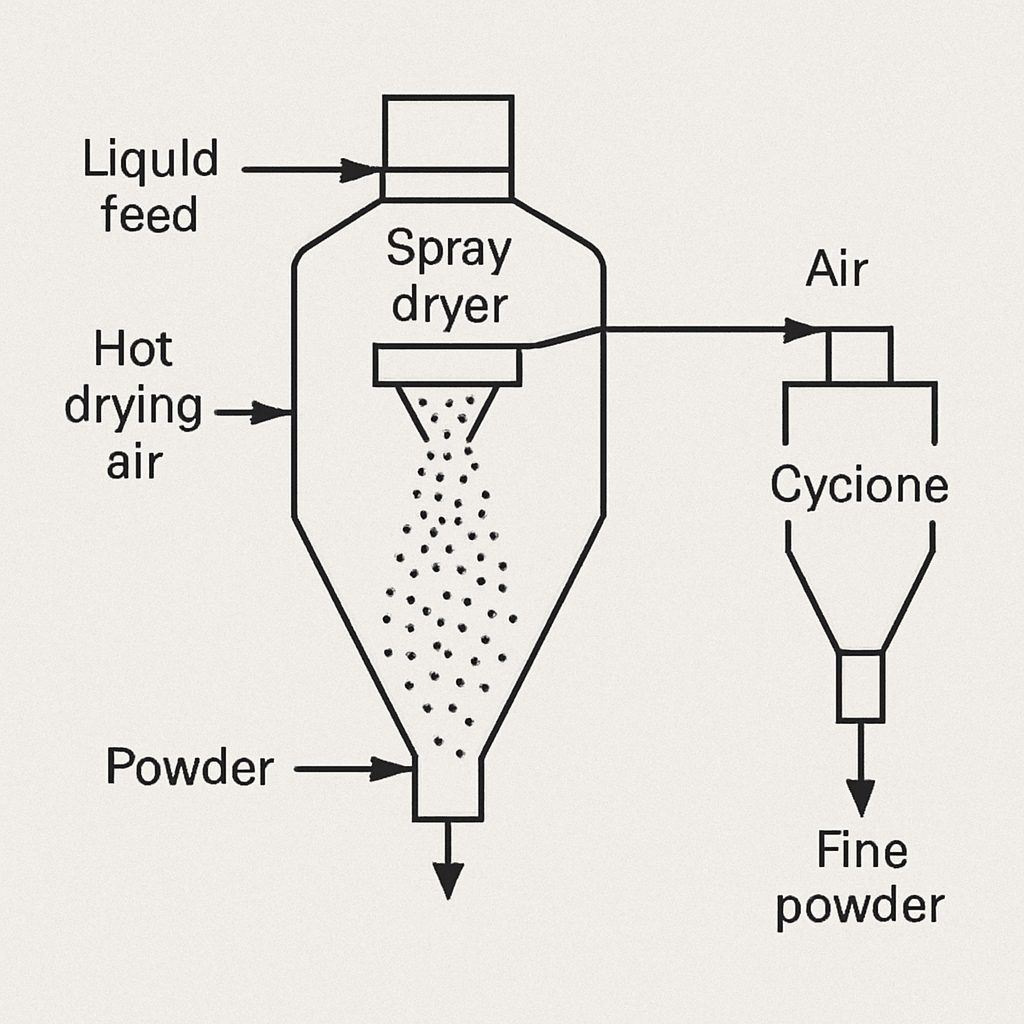
Topology-aware graph neural networks for multistage spray drying
We develop dynamic machine learning models of industrial multistage spray dryers that embed the process topology of the plant. Together with Danone, we use these models as soft sensors for powder properties that cannot be measured inline.
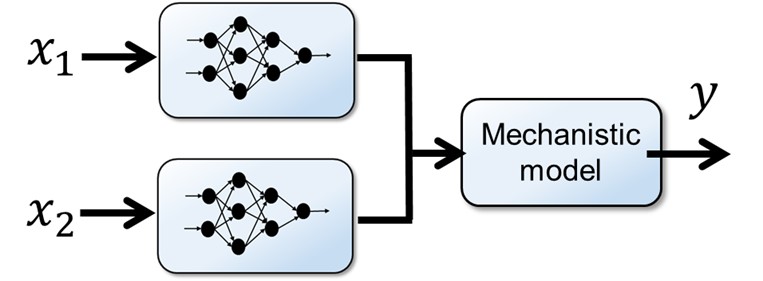
Hybrid modeling
Hybrid models combine mechanistic knowledge with machine learning. We develop hybrid modeling methods that need less data than purely data-driven models, extrapolate more reliably, and respect physical laws.
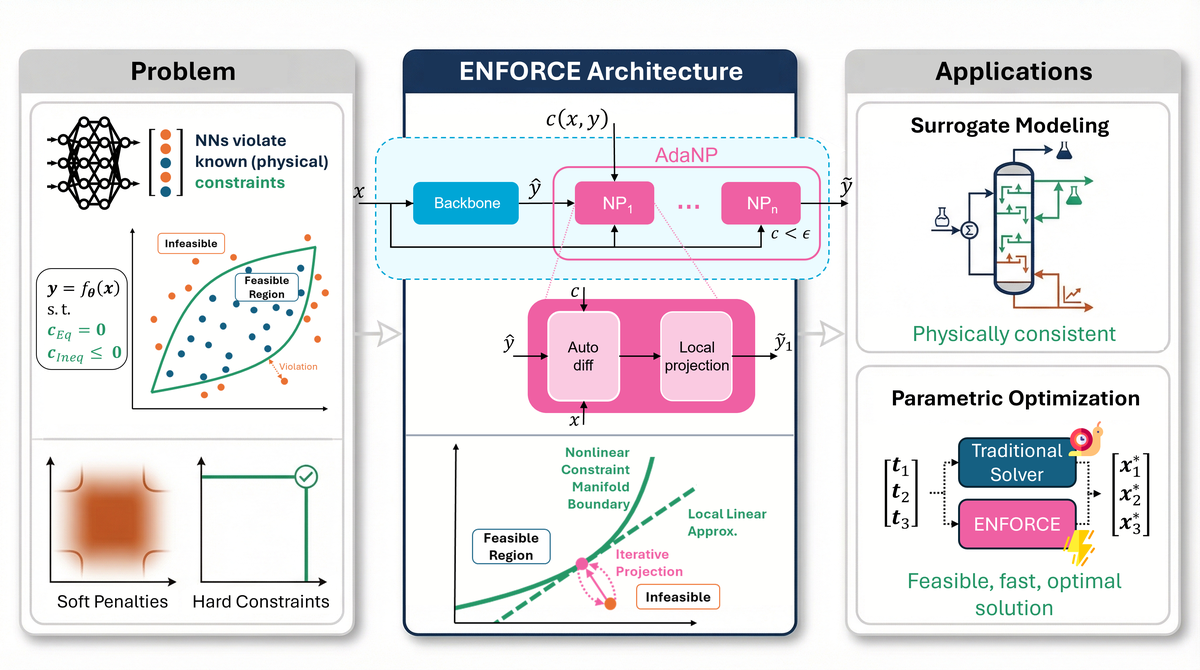
ENFORCE: Nonlinear constrained learning with adaptive-depth neural projection
Neural networks are increasingly used as surrogate models and decision-support methods in engineering. However, their predictions often fail to satisfy physical, operational, or safety-related constraints.
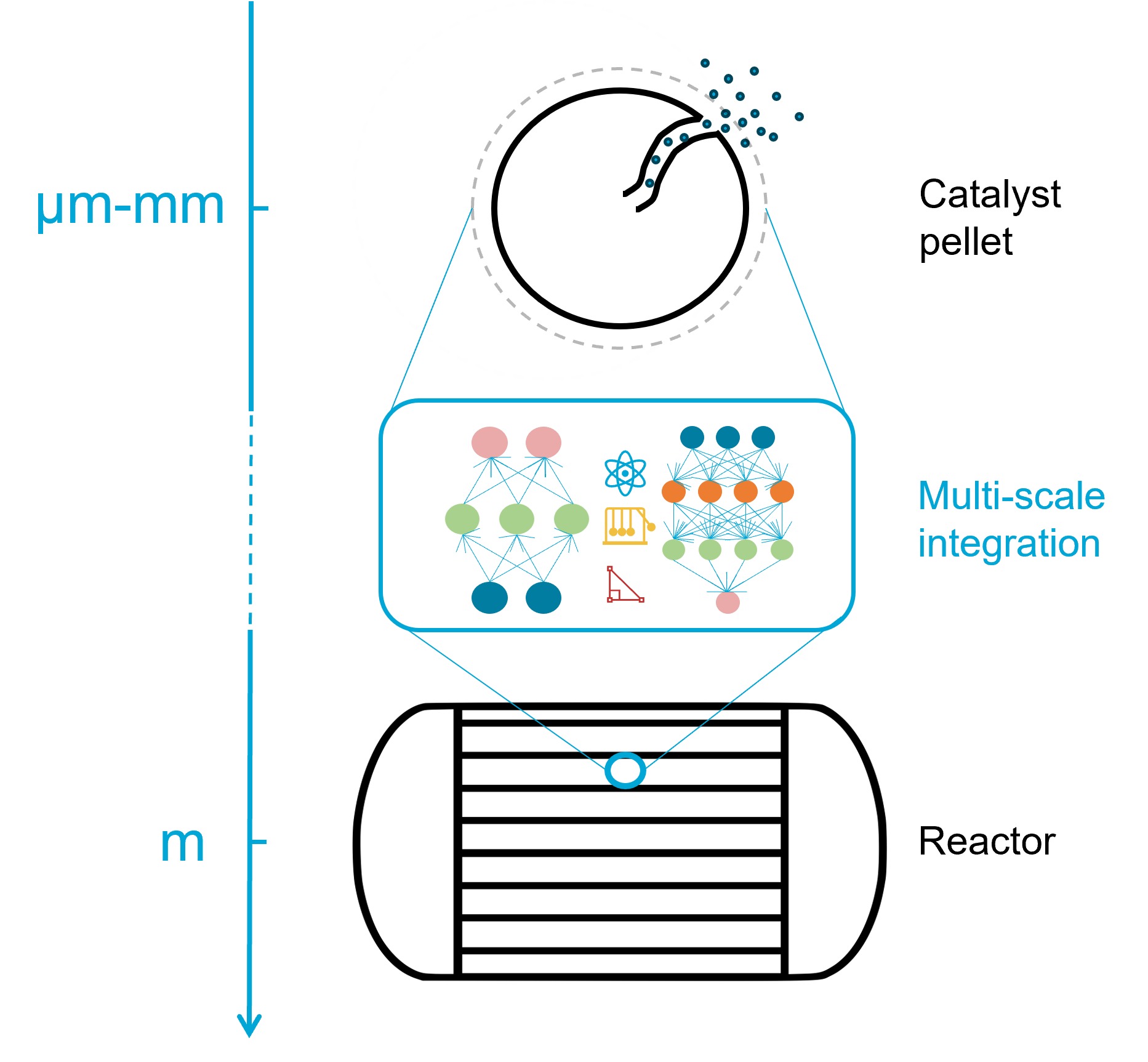
Physics-informed machine learning for process modeling and optimization
Physics-informed neural networks (PINNs) include physical laws, such as balance equations, in the training of neural networks. This reduces the amount of data needed and prevents overfitting. We use physics-informed machine learning to model and optimize chemical reactors and processes.
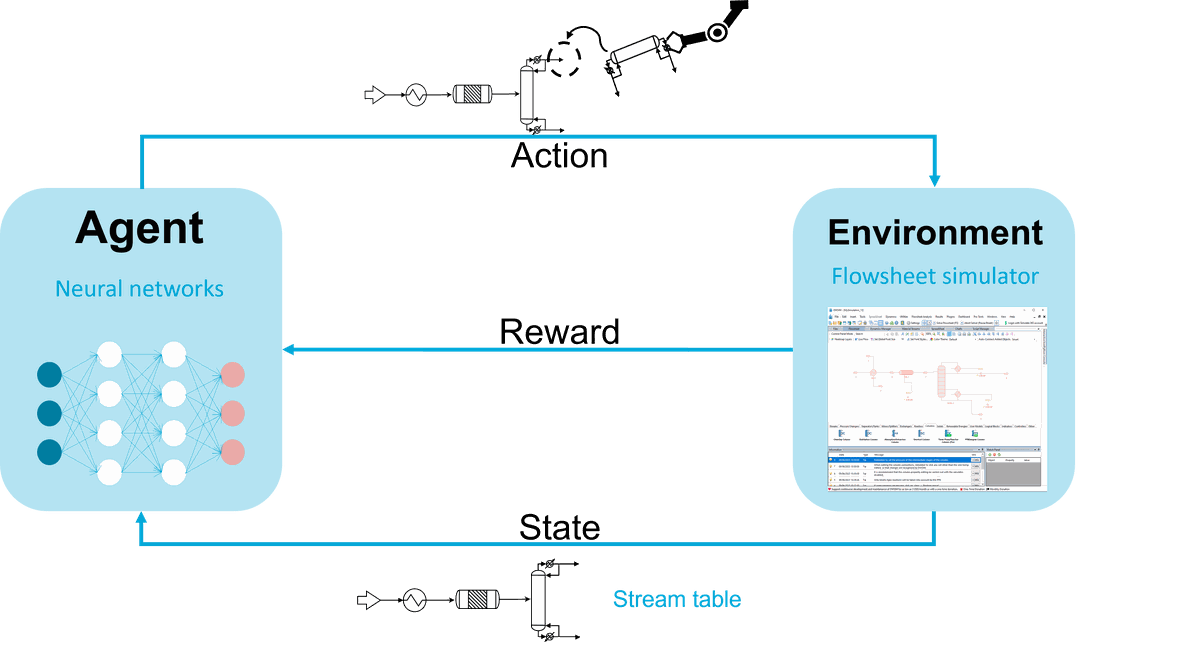
Reinforcement learning for process design
We develop reinforcement learning agents that learn to design chemical processes. The agents represent flowsheets as graphs, interact with process simulators, and iteratively learn which unit operations and design variables lead to economically viable processes.
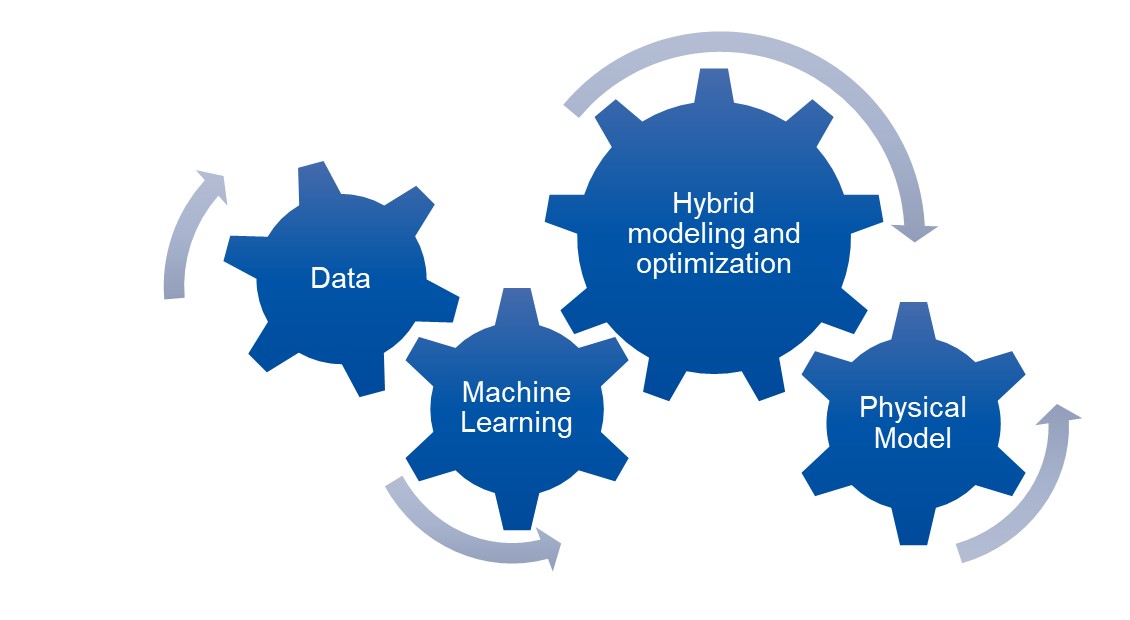
Optimization with machine learning models embedded
Data-driven surrogate models can learn nonlinear input-output relations and replace expensive simulations or experiments in optimization. We develop formulations and software to optimize over trained machine learning models, including deterministic global optimization.
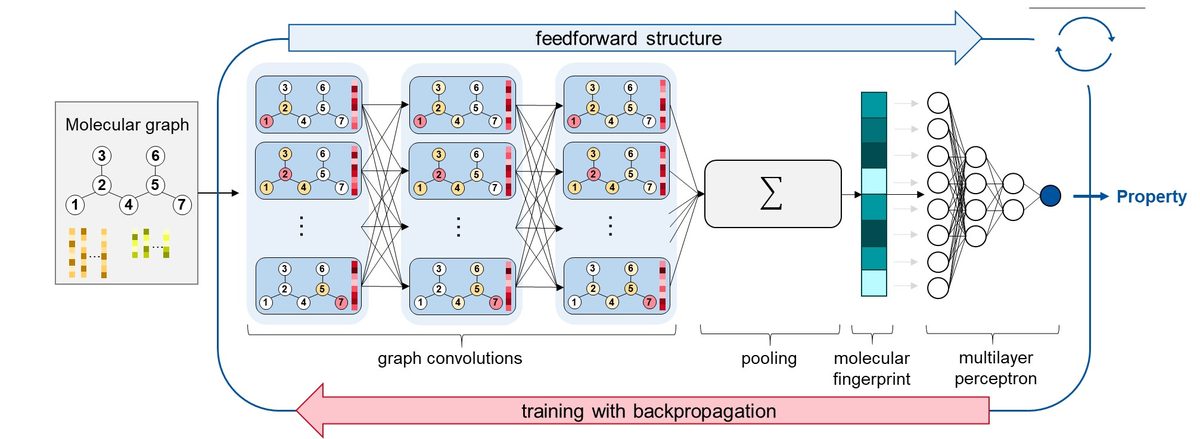
Graph neural networks for molecules and processes
Graph neural networks (GNNs) learn directly from graph representations of molecules and processes. We use them to predict molecular properties, to design molecules by optimization, and to model process plants from their topology.
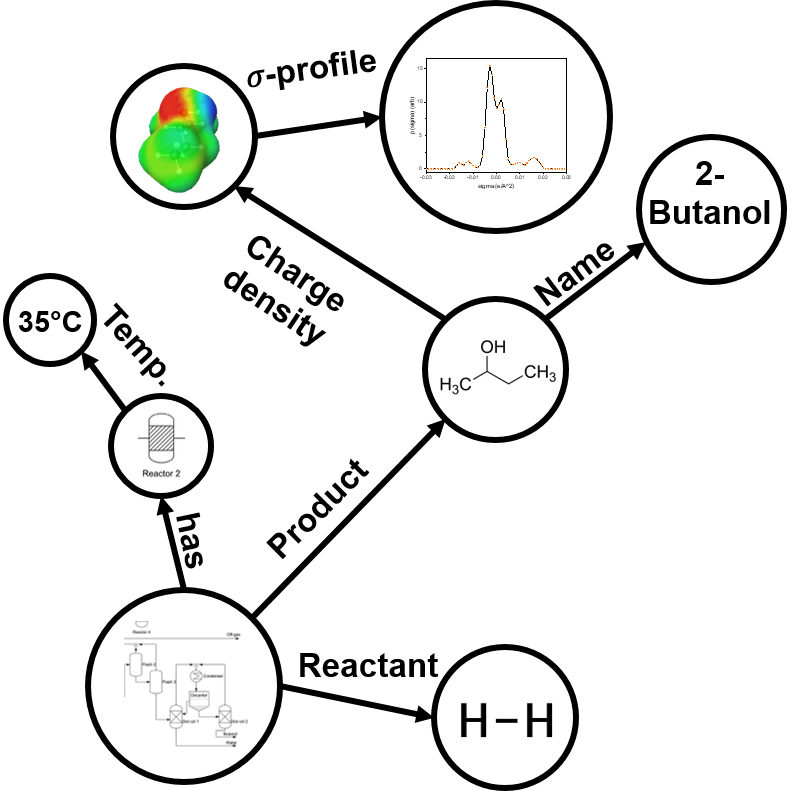
Knowledge graphs
Knowledge graphs link engineering data in a meaningful, machine-readable way. We build knowledge graphs from chemical engineering literature and from engineering diagrams, and use them as a foundation for AI applications.
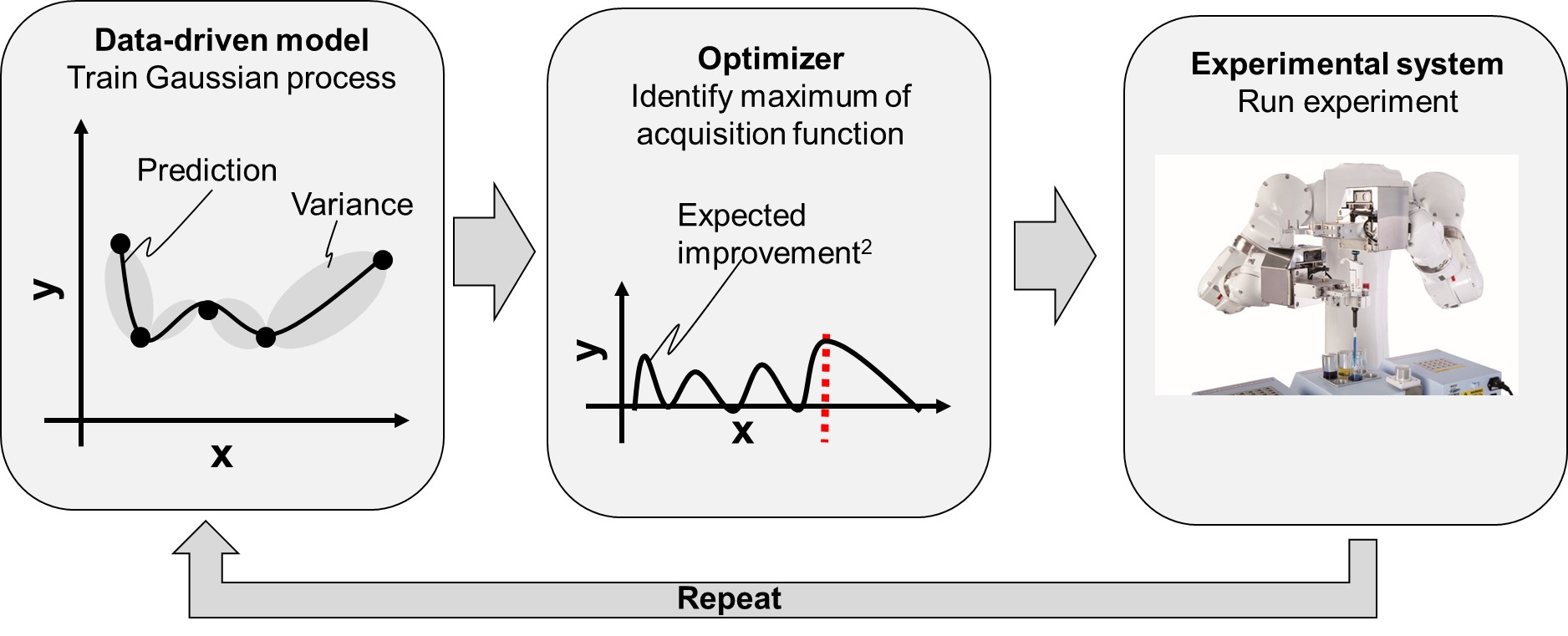
Self-optimization of chemical reactions
Autonomous reaction platforms combine automated experiments with machine learning to find optimal reaction conditions with few experiments. This foundational work dates from before the group was founded.