Graph neural network tool for predicting physicochemical properties of molecules
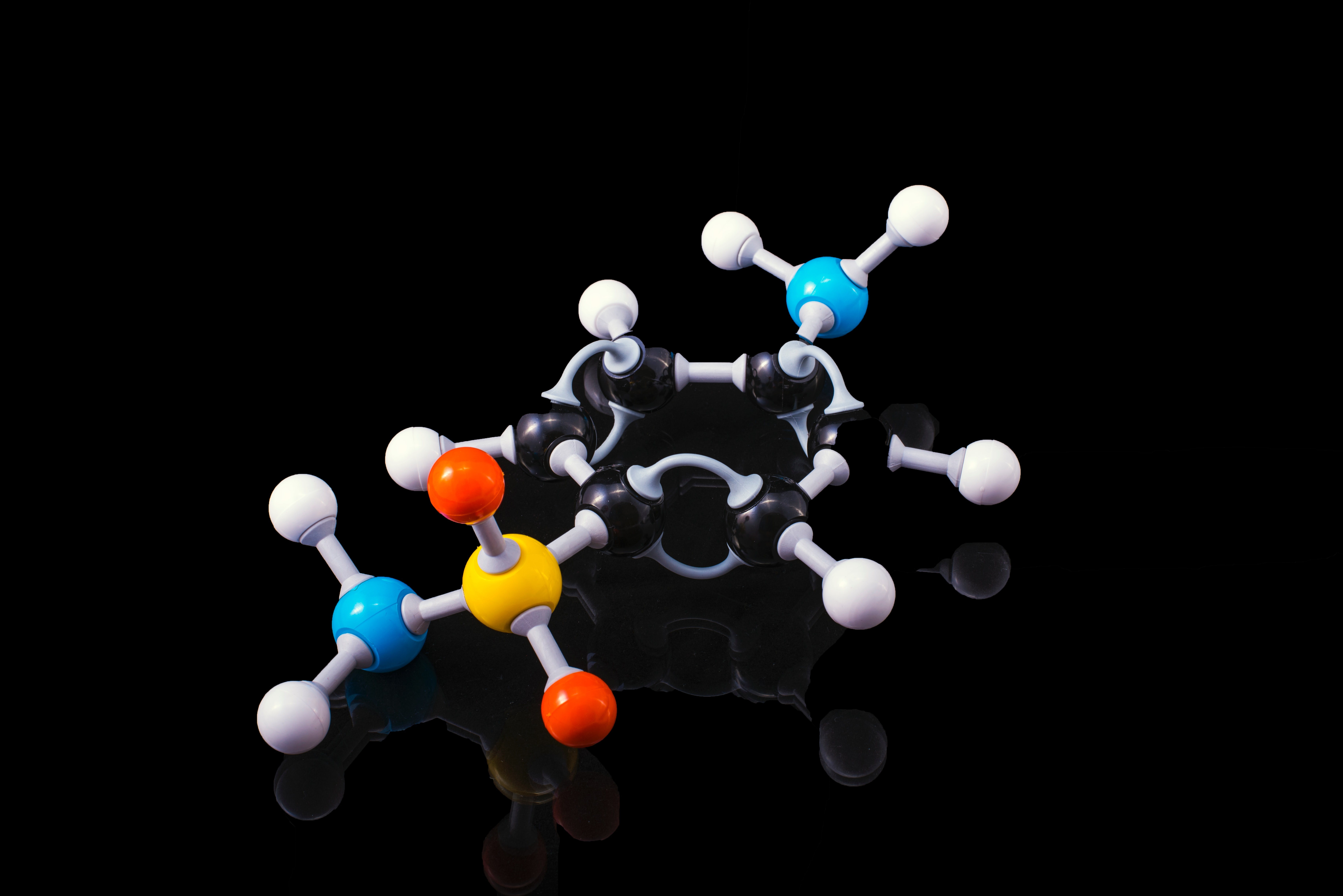
This tool predicts fuel ignition quality indicators of (oxygenated) hydrocarbons with graph neural networks (GNNs). It accompanies the paper Graph neural networks for prediction of fuel ignition quality (Energy & Fuels, 2020).
Prediction of combustion-related properties of (oxygenated) hydrocarbons is an important and challenging task for which quantitative structure-property relationship (QSPR) models are frequently employed. GNNs have shown promising results for the prediction of structure-property relationships. They use a graph representation of molecules, where atoms correspond to nodes and bonds to edges. GNNs learn physicochemical properties as a function of the molecular graph in a supervised setting. This end-to-end learning approach eliminates the need to select molecular descriptors or structural groups: it learns molecular fingerprints through graph convolutions and maps them to the physicochemical properties by deep learning. The tool predicts three fuel ignition quality indicators of oxygenated and non-oxygenated hydrocarbons: the derived cetane number (DCN), the research octane number (RON), and the motor octane number (MON).
The tool was developed at RWTH Aachen University. For our current work on GNNs, see the project page Graph neural networks for molecules and processes.
How to use the software
Online tool
You can also run the model through the free web frontend available here (hosted by RWTH Aachen University).
Open-source code
The source code for the paper is available on the RWTH Aachen GitLab.
Key publications
- Schweidtmann, A. M., Rittig, J. G., König, A., Grohe, M., Mitsos, A., & Dahmen, M. (2020). Graph neural networks for prediction of fuel ignition quality. Energy & Fuels, 34(9), 11395–11407. doi:10.1021/acs.energyfuels.0c01533 · Details